
Brain Health for the Over 60s: Staying Sharp with Auditory Training
Brain Health for the Over 60s: Staying Sharp with Auditory Training
Mar 23, 2026
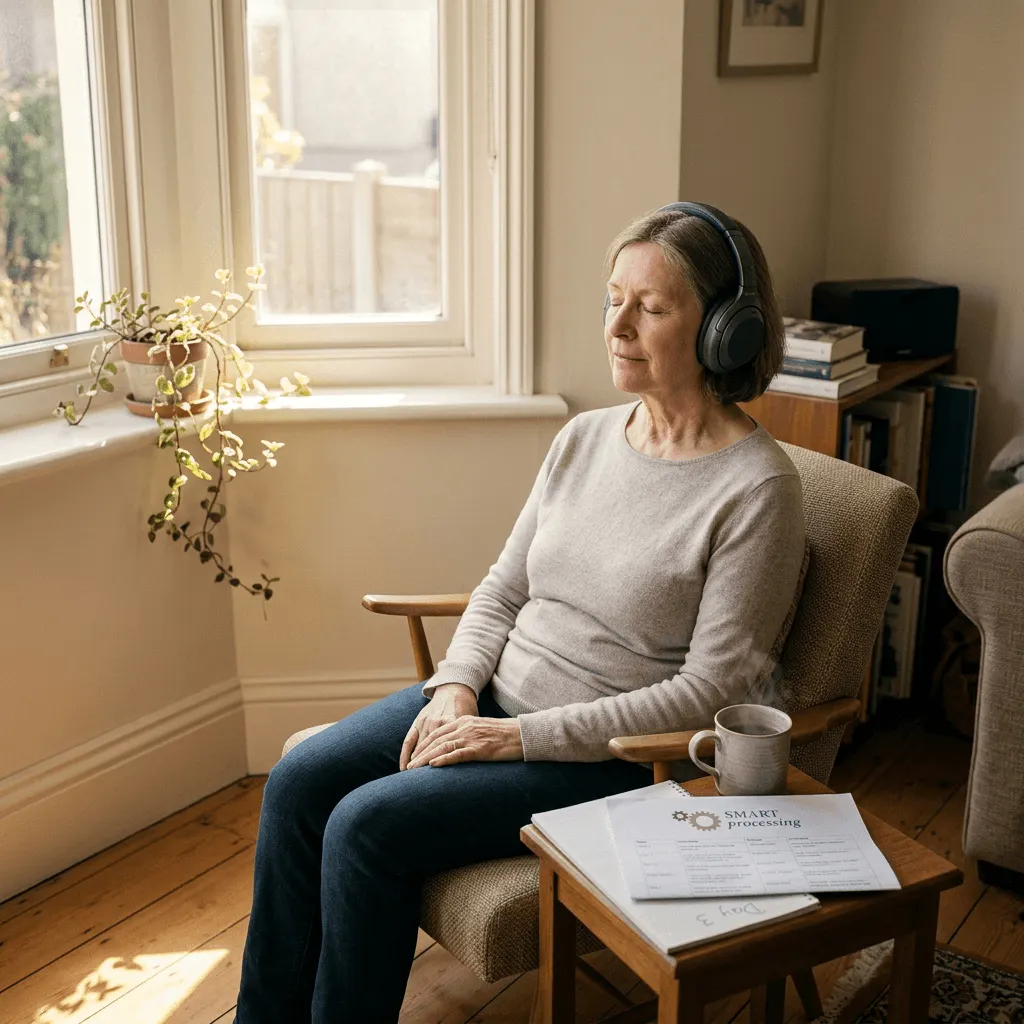
Getting older doesn't mean your brain has to slow down. That idea, once widely accepted as simply "how things are", is now being challenged by decades of neuroscience research. The science of neuroplasticity tells us something genuinely exciting: your brain retains the ability to change, adapt, and grow at any age. And for adults over 60, that's not just reassuring; it's actionable.
One area that doesn't always get the attention it deserves in brain health conversations is auditory processing. How well your brain interprets and responds to sound has a profound effect on how you communicate, learn, stay socially engaged, and even manage stress. The good news is that auditory training offers a practical, evidence-based route to supporting these skills well into later life.
Why Auditory Health Matters More Than You Think
Many people associate hearing difficulties with the ear itself, but the ear is only part of the picture. Auditory processing refers to what the brain does with sound once it arrives. You might hear something clearly but still struggle to follow a fast conversation, pick out speech in a noisy room, or retain verbal information. These challenges can quietly affect confidence, social connection, and mental sharpness.
For adults in their 60s and beyond, this matters enormously. Difficulties with auditory processing can lead to social withdrawal, increased cognitive load during everyday interactions, and a gradual erosion of the mental engagement that keeps the brain active. Addressing these challenges proactively is one of the smartest things you can do for your long-term wellbeing.
The Science Behind Auditory Training
Neuroplasticity is the principle at the heart of everything we do at Smart Processing. It refers to the brain's capacity to reorganise itself by forming new neural connections throughout life. Far from being fixed after childhood, the brain remains responsive to targeted, structured input well into adulthood and old age.
Auditory training works by giving the brain consistent, carefully designed stimulation that encourages it to process sound more accurately and efficiently. Over time, this can improve the clarity of verbal communication, reduce the mental effort required to follow conversations, and support broader cognitive functions including working memory, sustained attention, and processing speed.
These aren't abstract benefits. They translate into real everyday improvements: following along in group conversations, retaining instructions, staying mentally present during activities you enjoy, and managing the cognitive demands of daily life with greater ease.
How The Listening Programme Supports Brain Health
One of the programmes we offer specifically designed to support auditory and cognitive wellbeing is The Listening Programme (TLP). It is a neuroscience-based music listening therapy aimed at achieving optimum brain health and functioning, and it is available for adults of all ages, including those well over 60.
TLP uses specially designed music to train the brain in the core auditory skills required for effective listening, learning, and communication. Its primary purpose is to bring the auditory system into balance, and the benefits of doing so can be wide-ranging. Users report improved brain function, reduced stress, and stronger communication skills. Because the auditory system is closely connected to other sensory systems, TLP can also support broader sensory integration, with positive effects that extend across daily life.
The programme is delivered online and is home-based, which makes it genuinely accessible. A typical schedule involves two 15-minute sessions per day, five days a week, over approximately 20 weeks. That's a manageable, low-disruption commitment for something with real potential to make a lasting difference.
We work with adults aged 60 and over regularly, and we know from experience that the brain responds well to this kind of structured auditory input, provided the programme is appropriate for the individual's needs and goals.
What to Expect from a Home-Based Programme
One of the most common questions we hear from adults considering brain health programmes is whether they'll be left to figure things out on their own. The answer, when you work with us, is no.
All of our programmes are fully supported. Mary, our founder and certified practitioner, is available to guide you through the process, answer your questions, and help you choose the right approach for your specific situation. Our programmes are grounded in published research and clinically validated, so you can feel confident that what you're doing is backed by real science, not guesswork.
For adults over 60 specifically, it's worth knowing that the barriers to brain health work are often practical rather than neurological. Accessibility, simplicity, and professional support make the difference between a programme that gets shelved and one that genuinely changes things. We design our delivery with exactly that in mind.
Building a Sharper, More Resilient Brain
Staying sharp as you get older isn't about fighting against ageing; it's about working with your brain rather than accepting decline as inevitable. Auditory training is one of the most underused tools available for supporting cognitive resilience in later life, and the evidence behind it is solid.
Whether you're noticing early signs of auditory difficulty, looking to stay proactively engaged with your brain health, or simply want to reduce the stress of effortful listening in daily situations, a structured, evidence-based programme like The Listening Programme can offer a meaningful path forward.
We have been helping children and adults succeed since 2008, and our work with older adults is something we find particularly rewarding. The capacity for change doesn't disappear at 60 or 70; it simply needs the right kind of support.
If you'd like to find out more about how auditory training could support your brain health, or to speak with Mary directly about whether The Listening Programme is the right fit for you, visit Smart Processing to get started.
This article is for informational purposes only and is not a medical diagnosis. Always consult a qualified professional for assessment.